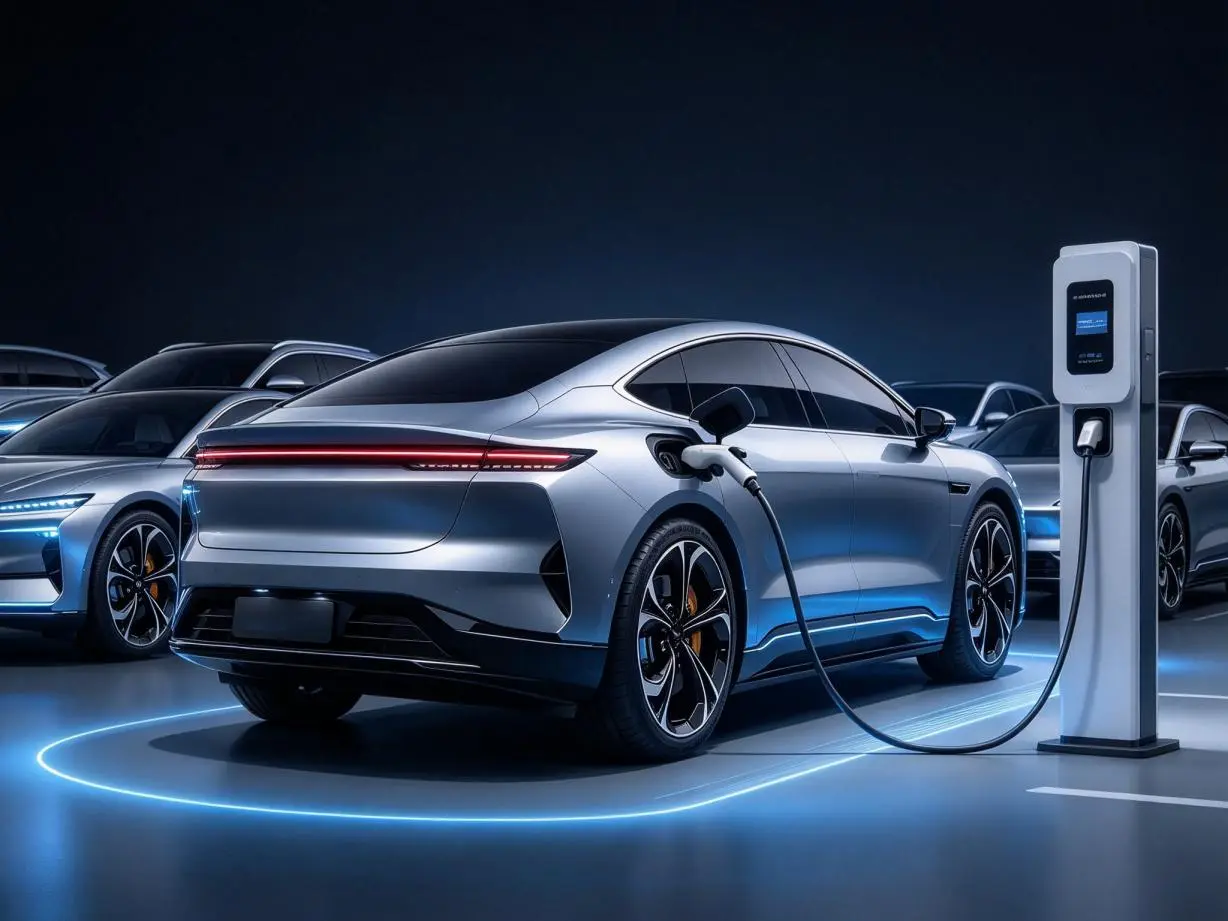
Pakistan’s automotive market is entering a new phase as electric vehicles (EVs) and hybrid vehicles gain increasing attention from consumers, manufacturers and policymakers.
The country’s New Energy Vehicle Policy 2025–2030 is supporting the development of a more sustainable automotive industry, while new EV and hybrid models—particularly from Chinese automakers—are expanding the range of vehicles available in the local market.
Growing Demand for EVs and New Energy Vehicles
The expansion of EVs is gradually changing Pakistan’s automotive landscape. Chinese automotive brands are introducing new electric and hybrid models, bringing advanced technologies and more choices to Pakistani consumers.
This development is also creating demand for a new generation of automotive components, including electric powertrain components, electronic systems, lighting, sensors, body parts and other replacement parts.
New Opportunities for Auto Parts Businesses
As the number of EVs and hybrid vehicles on Pakistani roads increases, the aftermarket will gradually become an important part of the market. Chinese manufacturers, with their broad production capabilities and competitive supply chains, are well positioned to participate in this developing market.
At the same time, Pakistan’s growing automotive sector can benefit from stronger connections between local distributors, workshops and international parts manufacturers.
Looking Ahead
Pakistan’s transition toward new energy vehicles is still developing, but the direction is becoming increasingly clear. The combination of supportive policies, new vehicle launches and growing consumer interest could contribute to the modernization of the country’s automotive industry.
For international auto parts companies, Pakistan represents an emerging market worth watching—particularly in EV components, hybrid vehicle parts, automotive electronics and aftermarket solutions.
As the market continues to evolve, closer cooperation between Pakistani businesses and global manufacturers could help build a more diversified and efficient automotive supply chain.