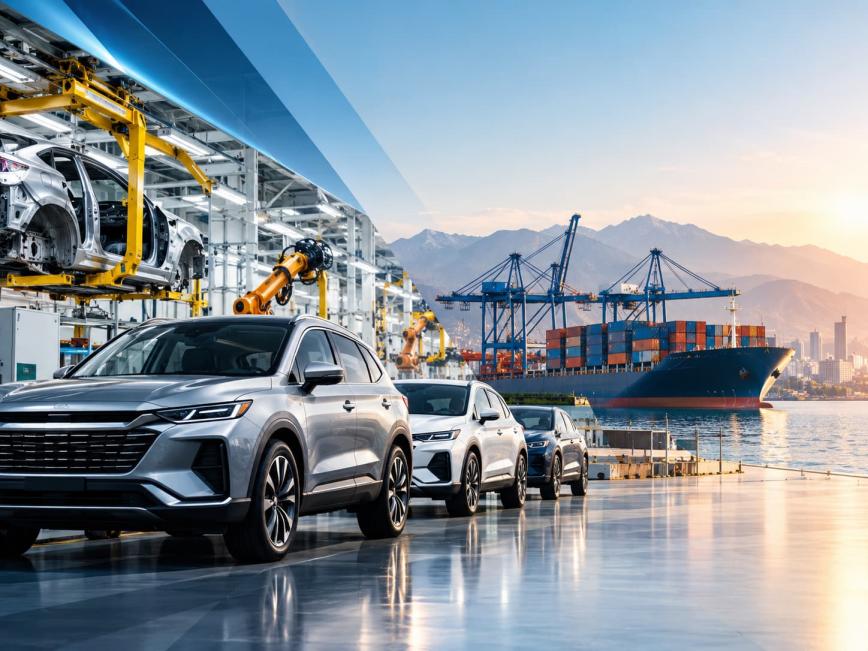
Pakistan is seeking to transform its automotive industry from a vehicle assembly base into a more competitive manufacturing, engineering and export hub. The shift could create new opportunities for local manufacturers, international suppliers and technology partners, particularly as the country focuses on localization, innovation and higher-value production.
From Assembly to Advanced Manufacturing
On October 3, 2026, Haroon Akhtar Khan, Adviser to the Prime Minister for Industries and Production, emphasized that Pakistan must move beyond vehicle assembly toward manufacturing, engineering, innovation and global automotive exports. He also highlighted the growing importance of digital technology in modern vehicles.
This transition reflects a broader ambition to strengthen domestic industrial capabilities, improve product quality and help Pakistani companies participate more actively in international automotive supply chains.
Strengthening the Local Auto Parts Industry
Developing a stronger domestic auto parts sector is essential to this transformation. Local production can help manufacturers reduce reliance on imported components, improve supply-chain resilience and create additional value within the domestic economy.
Key areas of opportunity include engine components, electrical systems, vehicle body parts, precision engineering, manufacturing equipment and automotive electronics.
Technology transfer, workforce training and cooperation between vehicle manufacturers and component suppliers will also be important in building the capabilities required for more advanced production.
Export Growth and International Partnerships
Pakistan’s automotive ambitions extend beyond serving its domestic market. Greater export competitiveness will require consistent product quality, internationally recognized standards, competitive manufacturing costs and reliable supply chains.
International partnerships can support this process by connecting Pakistani businesses with overseas technology providers, component manufacturers and industrial equipment suppliers. Collaboration can take many forms, including joint ventures, technical cooperation, localized production and long-term sourcing agreements.
Building a More Competitive Automotive Future
Pakistan’s automotive industry is entering an important phase of development, with greater emphasis on engineering capabilities, domestic value addition and export-oriented growth. Turning these ambitions into results will require sustained investment, effective industrial policies and stronger collaboration across the supply chain.
As manufacturers, suppliers and technology partners explore new opportunities, international trade platforms and industrial exhibitions can help connect businesses, introduce innovative products and establish long-term commercial relationships.
The next stage of Pakistan’s automotive development will depend not only on how many vehicles it assembles, but also on how much technology, engineering expertise and export value it creates.