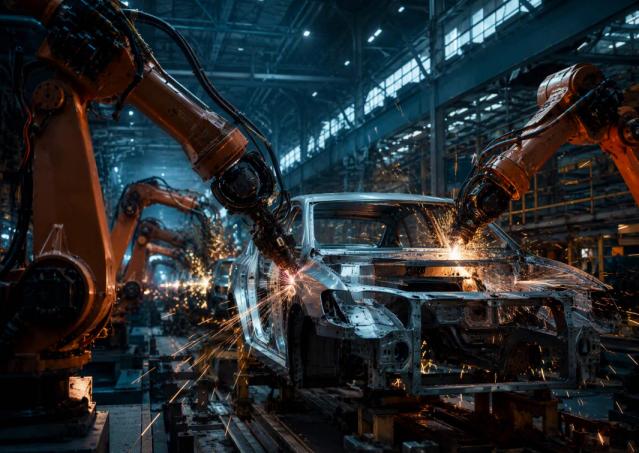
South Africa is taking a major step towards strengthening its automotive manufacturing industry, with the government planning to phase out policy support for semi-knocked-down (SKD) vehicle assembly and encourage deeper local production. The policy direction signals a renewed focus on industrial development, employment creation and stronger domestic supply chains.
A New Direction for South Africa’s Automotive Industry
South Africa’s automotive sector is an important contributor to the country’s industrial economy. However, the government aims to increase the value generated locally by vehicle production.
Under the South African Automotive Master Plan, the country targets an increase in average local content from approximately 38% to 60% by 2035. Other objectives include doubling employment in the automotive industry and increasing South Africa’s share of global vehicle production to 1%.
Opportunities for Automotive Component Suppliers
As South Africa places greater emphasis on local manufacturing, the role of automotive component suppliers is likely to become increasingly important.
Greater localisation can create opportunities for businesses involved in:
– Automotive components
– Production equipment
– Technical cooperation
– Supply-chain development
For international businesses, these developments highlight the importance of understanding local industry requirements and building long-term relationships with South African manufacturers and distributors.
Building a Stronger Automotive Supply Chain
The transition towards deeper local manufacturing will require cooperation among vehicle manufacturers, component suppliers, technology providers, distributors and government stakeholders.
Industry exhibitions, trade fairs and business-matching events can help connect these participants, introduce new technologies and facilitate commercial discussions. They also provide an effective platform for international companies to understand market demand, identify potential partners and explore opportunities in South Africa’s evolving industrial landscape.
South Africa’s automotive policy shift reflects a broader ambition to strengthen industrial capacity, increase local value addition and create more sustainable manufacturing opportunities.
Although the transition will bring new compliance requirements and competitive challenges, it may also open doors for component manufacturers, machinery suppliers and technology companies prepared to develop long-term partnerships.