Pakistan’s automotive industry is currently in a phase of gradual recovery and structural transformation. After a period of volatility, vehicle production and sales have rebounded, supported by improving economic conditions and renewed consumer demand. Passenger and commercial vehicle output has increased, and overall market activity has returned to a more stable growth path compared to previous years.
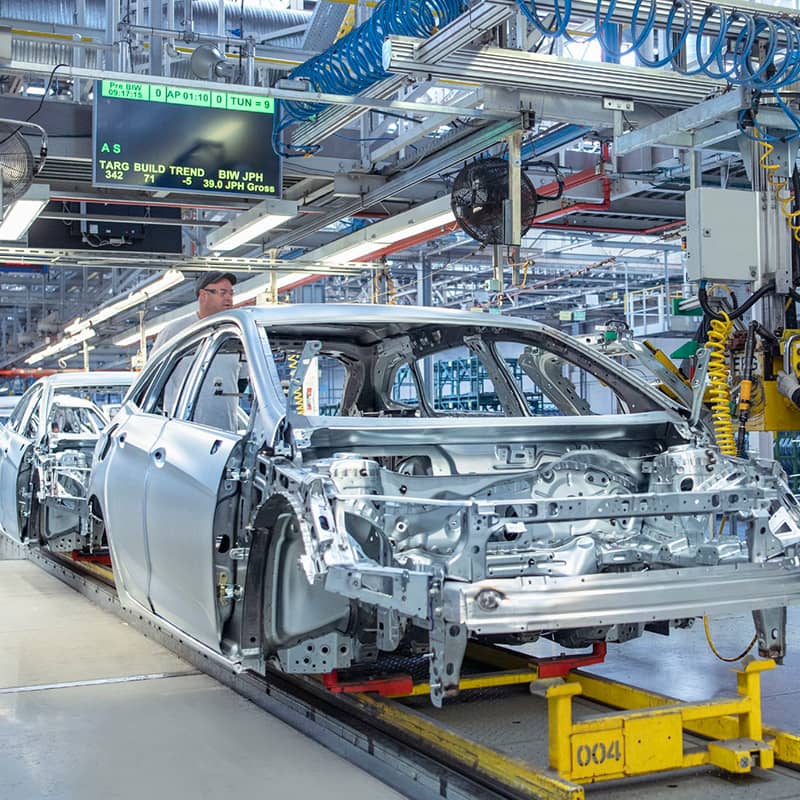
The industry remains largely dominated by assembly operations, with Japanese, Korean, and increasingly Chinese brands playing key roles in the market. However, local manufacturing capacity and the domestic supply chain are still limited, meaning a significant portion of components continues to be imported. This keeps production costs relatively high and constrains long-term competitiveness.
At the same time, the sector continues to face challenges such as high vehicle prices, currency fluctuations, taxation pressure, and underutilized production capacity. Despite these issues, the most notable development is the rapid emergence of electric and hybrid vehicles, particularly in the two-wheeler and entry-level passenger segments. This shift is being driven by rising fuel costs, policy support, and growing interest from foreign manufacturers.
Pakistan’s automotive industry is at a pivotal stage – moving from a traditional assembly-based model toward a more diversified and electrified ecosystem. With rising demand, growing EV adoption, and increasing foreign participation, the sector is positioned for steady transformation in the coming years.