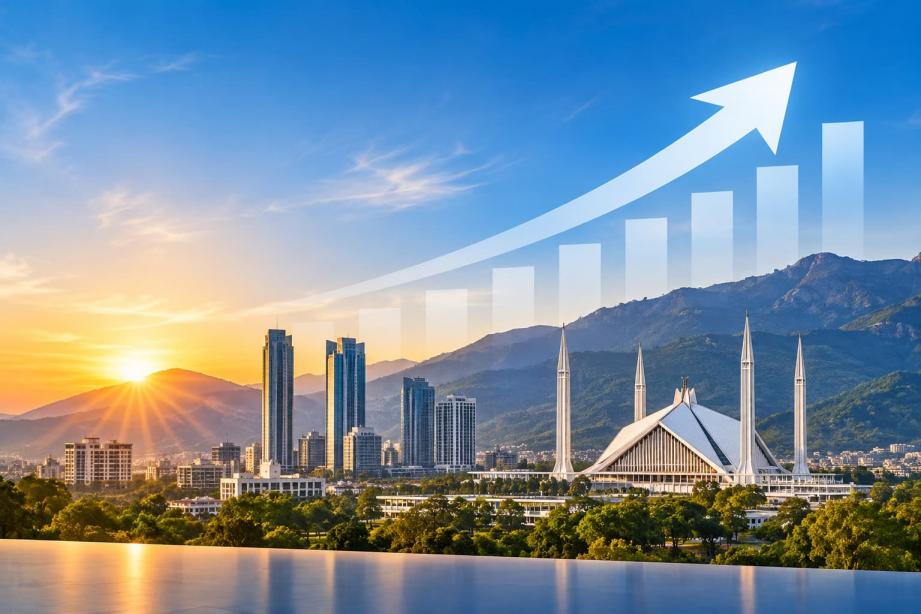
Pakistan’s economy is showing signs of recovery, with improving macroeconomic stability and new opportunities for investment and business development. According to the World Bank Group’s latest Pakistan Development Update, published in October 2026, the country has the potential to significantly increase incomes and achieve stronger long-term economic growth through consistent structural reforms.
Economic Stabilisation Creates a Foundation for Growth
Pakistan’s economic performance has improved in recent years. Real GDP growth increased from 3.2% in FY2024–25 to 3.7% in FY2025–26, supported by improved macroeconomic management, stronger revenue collection and expenditure control.
The country has also made progress in rebuilding foreign exchange reserves and strengthening its fiscal position. These developments provide a more stable foundation for future economic activity and investment.
Structural Reforms Could Unlock Greater Economic Potential
The World Bank estimates that Pakistan’s annual economic growth could reach 6.2%–6.9% if the country successfully implements ambitious structural reforms and improves its policies and institutions.
Under this scenario, Pakistan could reach Vietnam’s current income level by 2050. The report also indicates that faster reforms could potentially triple incomes over the same period.
Key priorities include improving the business environment, reforming the tax system, expanding access to finance, strengthening the energy sector and reducing barriers to international trade.
Manufacturing and Trade Offer Opportunities for Development
A stronger industrial sector will be important for Pakistan’s long-term economic development. Expanding manufacturing capacity, improving production efficiency and increasing the competitiveness of local products could help the country strengthen its position in regional and international markets.
Trade liberalisation and improved access to financing could also support businesses seeking to expand production, upgrade equipment and develop new export markets.
For manufacturers and international suppliers, these developments may create opportunities in industrial machinery, precision tools, automotive components, electrical equipment and advanced production technologies.
Cooperation between local enterprises and international manufacturers could help Pakistani businesses access new technologies, improve product quality and build more efficient supply chains.
Pakistan’s long-term growth prospects depend on its ability to maintain economic stability while accelerating structural reforms. Although challenges remain, the country has opportunities to strengthen manufacturing, diversify exports, attract investment and improve productivity.